How To Cook Rice In Microwave is a game-changer for anyone looking to whip up a delicious side dish without the hassle. Imagine perfectly fluffy rice in just a few minutes, all while saving time and energy compared to traditional cooking methods. With the right ingredients and a few simple steps, you can master this technique and enjoy nutritious rice dishes that keep all the good stuff intact.
This guide will take you through the advantages of microwaving rice, the tools you need, and some common mistakes to avoid, ensuring you can enjoy hassle-free cooking while still elevating your meals to the next level.
The Advantages of Cooking Rice in a Microwave
Cooking rice in a microwave is becoming a popular choice for many home cooks, and for good reason. Using this method can simplify the cooking process, save time, and maintain the nutrients of the rice. Let’s dive into the various benefits that make microwave cooking a game-changer for rice enthusiasts.
Time-Saving and Energy Efficiency
One of the most notable advantages of using a microwave to cook rice is the significant time savings it offers. Traditional methods typically require bringing water to a boil and then simmering the rice for around 20 to 30 minutes. In contrast, cooking rice in a microwave can take as little as 10 minutes, depending on the type and quantity of rice being used.
This rapid cooking time is especially beneficial for busy individuals who may not have a lot of time to spare in the kitchen.Energy efficiency is another strong point in favor of microwave cooking. Microwaves use less energy than conventional stovetops due to their focused cooking method. Instead of heating up an entire pot and the surrounding air, microwaves directly cook the food, reducing energy consumption.
Studies show that microwaves can use up to 50% less energy than boiling rice on the stove, contributing not only to lower energy bills but also to a more eco-friendly cooking approach.
Nutrient Retention Compared to Boiling
Cooking rice in a microwave also has notable advantages in terms of nutrient retention. When rice is boiled, many of its water-soluble vitamins and minerals can leach into the cooking water, leading to a loss of essential nutrients. However, when using a microwave, the smaller amount of water typically needed allows for better retention of these nutrients. For instance, when preparing brown rice, which is richer in fiber and vitamins compared to white rice, microwaving can help preserve these beneficial properties.
In a typical scenario, cooking brown rice in the microwave with just enough water to steam it retains up to 90% of its nutrients, compared to around 70% when boiled in excess water. Overall, the microwave isn’t just a time-saver; it’s a way to ensure you’re getting the most out of your rice, both in taste and nutritional value.
Essential Ingredients and Tools for Microwaving Rice
Cooking rice in the microwave is a game changer for anyone looking to save time while still enjoying perfectly fluffy grains. Understanding the essential ingredients and tools will ensure that your microwaved rice turns out spot on every time.The first thing you need is the right type of rice. There are various rice types, each requiring different water ratios and cooking times.
Knowing what to use and having the right tools will make a significant difference in the cooking process and the final results.
Ingredients Needed for Microwaving Rice
When it comes to cooking rice, the main ingredient is, of course, the rice itself. However, there are a few other ingredients that can enhance flavor and texture. Here’s what you’ll need:
- Rice: 1 cup of uncooked rice (white rice, brown rice, or jasmine rice are popular choices).
- Water: 2 cups of water for white rice; 2.5 cups for brown rice; and about 1.5 cups for jasmine rice.
- Salt: 1/2 teaspoon (optional, for flavor).
- Butter or Oil: 1 tablespoon (optional, adds richness).
Using these proportions will help you achieve the desired consistency and taste. Adjust according to personal preference or specific rice types.
Kitchen Tools and Suitable Containers
Having the right kitchen tools and containers is crucial for successfully microwaving rice. Here’s a rundown of what you need:
- Microwave-Safe Bowl: A large, deep bowl that can hold at least double the volume of the rice and water combined to prevent spillovers.
- Microwave Cover: A lid or microwave-safe plate to cover the bowl; this traps steam and promotes even cooking.
- Measuring Cups: For accurate measuring of rice and water.
- Fork or Rice Paddle: For fluffing the rice after cooking.
These tools will not only make the cooking process easier but will also help in achieving fluffy rice without the mess.
Alternative Rice Types
While white rice is a staple, there are many alternatives that you can try in the microwave, each coming with its own unique flavor and nutritional profile:
- Brown Rice: A whole grain option that is higher in fiber; cook using a 2.5:1 water-to-rice ratio.
- Jasmine Rice: Aromatic and slightly sticky; requires less water (1.5 cups) for a fluffy texture.
- Wild Rice: Nutty and chewy, this requires longer cooking times but is delicious and hearty.
Experimenting with different types will not only add variety to your meals but also offer different health benefits. Just remember to adjust the water ratios and cooking times according to the specific type of rice you choose.
Step-by-Step Guide for Cooking Rice in a Microwave
Cooking rice in a microwave can be quick and simple, perfect for those busy days when you need a reliable side dish without the fuss. With just a few steps, you can achieve fluffy, delicious rice that pairs well with your favorite meals. Let’s dive into the process so you can master this technique.
To cook rice effectively in the microwave, you’ll need to understand the right measurements, cooking times, and techniques to ensure your rice turns out perfectly every time. Follow these straightforward steps to get started.
Detailed Steps for Cooking Rice in a Microwave
First, let’s go over the essential steps you need to take to cook rice in the microwave:
1. Choose Your Rice
Start with the type of rice you want to cook. Common options include white rice, brown rice, or jasmine rice.
2. Measure the Rice
Use a measuring cup to portion out your rice. One cup of rice typically serves about two people.
3. Rinse the Rice
Place the measured rice in a fine-mesh strainer and rinse it under cold water. This removes excess starch and prevents the rice from becoming gummy.
4. Add Water
Use the proper water-to-rice ratio, which generally is 2 cups of water for every 1 cup of white rice and 2.5 cups of water for brown rice. Adjust accordingly based on the rice type you’re using.
5. Seasoning
Add a pinch of salt for flavor if desired, or you can add a dash of oil or butter for extra richness.
6. Transfer to Microwave-Safe Bowl
Choose a bowl that is large enough to prevent spillover during cooking. It’s best to use a glass or ceramic bowl that can handle the heat.
7. Cover the Bowl
Use a microwave-safe lid or plate to cover the bowl to trap steam, which helps cook the rice evenly.
8. Microwave Cooking
Set your microwave on high. For white rice, cook for about 10-12 minutes; for brown rice, aim for 20-22 minutes.
9. Let it Sit
After cooking, let the rice sit in the microwave for about 5 minutes without opening the door. This resting time allows the rice to finish cooking through steam.
1
0. Fluff and Serve
Remove the bowl carefully (it will be hot!), then fluff the rice with a fork before serving.
Cooking Times for Different Types of Rice
Here’s a handy table that Artikels the cooking times for various types of rice in the microwave:
| Type of Rice | Water Ratio | Cooking Time (minutes) |
|---|---|---|
| White Rice | 2:1 | 10-12 |
| Brown Rice | 2.5:1 | 20-22 |
| Jasmine Rice | 1.5:1 | 10-12 |
| Wild Rice | 3:1 | 25-30 |
Measuring Water Accurately for Perfectly Cooked Rice
Getting the water measurement just right is crucial for perfectly cooked rice. Here are some tips to help you measure accurately:
Use the Correct Measuring Cup
Always use a standard measuring cup (not a coffee cup) to ensure consistency.
Level Off the Rice
When measuring rice, fill the cup and then level it off with a straight edge to avoid excess.
Use the Finger Method
For a quick measurement, you can add water until it reaches the first knuckle of your index finger above the rice level.
Measure Water Separately
If you’re unsure about ratios, measure the water in a separate container before adding it to the rice.
With these straightforward steps and tips, you’re all set for successful microwave rice cooking. Enjoy your perfectly fluffy rice as a delightful addition to any meal!
Common Mistakes to Avoid When Microwaving Rice
Microwaving rice can be a quick and convenient method, but it’s not without its pitfalls. Many folks end up with less-than-ideal results because of a few common mistakes. Understanding these errors and how to fix them can make all the difference in achieving that perfect fluffy rice.One of the biggest issues people face when cooking rice in the microwave is not adjusting the water ratios according to the type of rice and the quantity they’re preparing.
Different types of rice, like jasmine, basmati, or brown rice, require varying amounts of water and cooking time. If you treat all rice the same, you might end up with a soggy or undercooked meal. The general rule of thumb is to use about 1.5 to 2 cups of water for every cup of white rice, while brown rice often needs 2.5 cups of water per cup of rice.
Typical Errors When Microwaving Rice
It’s essential to know what mistakes to avoid to ensure that your rice turns out perfectly cooked every time. Here are some of the most common errors:
- Skipping the Rinse: Not rinsing your rice before cooking can leave it starchy and gummy. Rinsing removes excess starch, allowing for fluffier grains. Always give it a quick rinse under cold water before microwaving.
- Wrong Water Ratios: Using too little or too much water can lead to burnt or mushy rice. Remember to adjust based on the rice type—more water for brown rice, less for white.
- Using the Wrong Container: Not all containers are microwave-safe. Using metal or non-microwave-safe materials can lead to dangerous situations. Stick to microwave-safe glass or plastic.
- Not Covering the Bowl: If you leave the bowl uncovered, you’ll lose steam, which is crucial for cooking the rice evenly. Always cover your bowl with a microwave-safe lid or plastic wrap.
- Ignoring Cooking Time: Microwaving rice for too long can easily lead to overcooked, gummy rice. Start with shorter cooking times and check for doneness frequently.
For those who end up with overcooked or undercooked rice, there are solutions. If your rice is overcooked and mushy, it can sometimes be salvaged by spreading it out on a plate and letting it cool slightly. This helps reduce moisture. For undercooked rice, simply add a bit more water, cover, and microwave again in short intervals, checking for doneness until it’s cooked just right.
“Perfectly microwaved rice is all about the right water ratio and timing.”
Understanding and avoiding these mistakes can elevate your rice game and save you from culinary mishaps. With a little attention to detail, you can enjoy delicious, perfectly cooked rice straight from the microwave.
Flavoring and Enhancing Microwave Rice Dishes
Microwave rice isn’t just a quick side dish; it can be a canvas for flavor and creativity. With a few simple additions, you can transform plain rice into a gourmet meal that excites your taste buds. This section is all about exploring the vibrant world of flavors, nutrients, and cultures that you can incorporate into your microwave-cooked rice dishes.
Creative Flavoring Ideas
When it comes to seasoning microwave rice, the options are endless! A little creativity can turn a basic bowl of rice into something special. Here are some delicious ways to enhance your rice:
- Herbs and Spices: Fresh or dried herbs like parsley, cilantro, or basil can brighten up your rice. Spice it up with a pinch of cumin, paprika, or turmeric for an exotic twist.
- Broth or Stock: Instead of water, use vegetable, chicken, or beef broth to cook your rice. The added flavor will elevate the dish significantly.
- Coconut Milk: Substituting some water with coconut milk gives rice a creamy texture and a subtle sweetness, perfect for tropical or Asian-themed meals.
- Garlic and Onion: Sauté minced garlic or onion before adding the rice and cooking it in the microwave for a fragrant and flavorful base.
- Soy Sauce or Tamari: A splash of soy sauce right before serving can add umami and depth. Don’t forget to complement it with sesame oil for extra flavor.
Incorporating Vegetables and Proteins
To make your microwave rice a complete meal, adding vegetables and proteins is a game-changer. Here’s how you can pack nutrition and flavor into your dish:
- Frozen Vegetables: Toss in a handful of frozen peas, carrots, or bell peppers while cooking. They cook quickly and add color and nutrients.
- Fresh Veggies: Chop some spinach, kale, or zucchini and stir them in after microwaving. They’ll wilt and soften, giving you a fresh bite.
- Proteins: Mix in pre-cooked chicken, shrimp, or tofu cubes. They heat up well in the microwave and provide a hearty addition to your rice.
- Beans: Canned beans like chickpeas or black beans are a great source of protein. Rinse and add them for an extra boost of nutrition.
- Nuts and Seeds: Toasted almonds, cashews, or sesame seeds can add a delightful crunch and healthy fats to your rice dish.
Cultural Rice Dishes in the Microwave
You can bring international flavors right to your kitchen by creating cultural rice dishes using a microwave. Here are some ideas to get you started:
- Spanish Rice: Cook rice with diced tomatoes, bell peppers, and a dash of cumin. Finish with fresh cilantro for an authentic touch.
- Mexican Rice: Mix rice with black beans, corn, diced tomatoes, and taco seasoning. Top with avocado and lime juice for a zesty finish.
- Indian Biryani: Use jasmine rice, add precooked biryani spices, and mix in cooked chicken or vegetables. Garnish with fried onions and fresh mint.
- Asian Fried Rice: After cooking, stir in soy sauce, scrambled eggs, and any leftover cooked vegetables you have. A dash of sesame oil will bring it all together.
- Italian Risotto: Use arborio rice and cook with broth, stirring in cheese and peas towards the end for a creamy dish that feels sophisticated.
Cleaning and Maintenance Tips for Microwave Rice Cookers
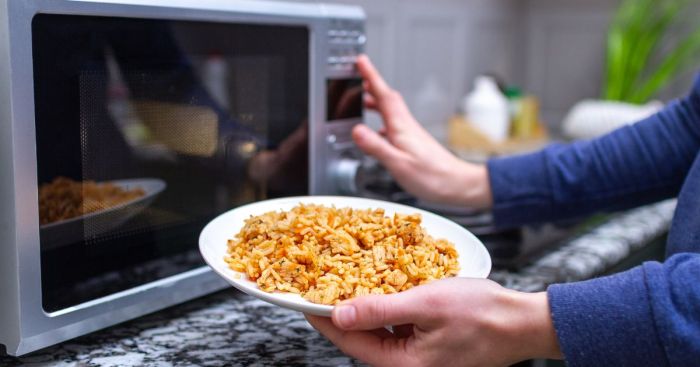
Keeping your microwave rice cooker in tip-top shape is essential not just for making perfect rice, but also for ensuring that your cooking appliance lasts a long time. A little attention to cleaning and maintenance goes a long way, and it’s super easy to do. Let’s dive into some practical advice that’ll help you keep your microwave rice cooker spotless and your microwave functioning like a champ.
Cleaning Microwave-Safe Containers
Cleaning your microwave-safe rice cooker is crucial for maintaining its performance and preventing any unwanted flavors from lingering. Here are some tips to ensure your containers stay fresh and clean:
- Immediate Rinsing: After each use, rinse your rice cooker with warm water to prevent rice starch from hardening.
- Gentle Scrubbing: Use a soft sponge and mild detergent to scrub away stubborn residue. Avoid abrasive materials that can scratch the surface.
- Soak for Tough Stains: If you find burnt rice or tough stains, soak the container in warm soapy water for about 15-30 minutes before scrubbing.
- Vinegar Solution: For extra power, mix equal parts of vinegar and water, and microwave it for a few minutes to help loosen any stuck-on bits.
- Dry Thoroughly: Ensure the container is completely dry before storing it to prevent mold growth.
Importance of Microwave Maintenance
Maintaining your microwave is just as vital as caring for your rice cooker. A well-maintained microwave not only heats food evenly but also ensures safety and hygiene. Here are the key aspects of microwave maintenance:
- Regular Cleaning: Wipe down the interior and exterior with a damp cloth weekly to remove spills and splatters.
- Check for Damage: Inspect the door seal and hinges regularly. A damaged seal can lead to energy loss and uneven cooking.
- Ventilation: Ensure the microwave’s vents are free from dust and debris to promote proper airflow and prevent overheating.
- Test Functionality: Occasionally, test the microwave’s functionality by heating a cup of water. If it doesn’t boil within a reasonable time, it might need servicing.
Materials Safe for Microwave Use
Knowing what materials are safe to use in the microwave can prevent potential hazards and damage. Here’s a breakdown of materials you can safely use and those you should avoid:
| Safe Materials | Materials to Avoid |
|---|---|
| Glass (microwave-safe) | Metal containers |
| Ceramic (without metallic paint) | Plastic not labeled as microwave-safe |
| Silicone cookware | Styrofoam containers |
| Some paper products (like parchment paper) | Brown paper bags |
“Choosing the right materials can save you from microwave mishaps and ensure your cooking experience is safe and stress-free.”
Comparing Microwave Rice Cooking to Other Methods: How To Cook Rice In Microwave
When it comes to cooking rice, there are several methods you can choose from, each with its own set of benefits and drawbacks. In this section, we’ll dive into a head-to-head comparison of microwave rice cooking, stovetop techniques, and rice cookers. This will help you figure out which approach fits your lifestyle and taste preferences best.
Method Comparisons, How To Cook Rice In Microwave
Understanding the differences between these rice cooking methods is crucial for making an informed choice. Each method varies in terms of taste, texture, and convenience. Here’s a closer look at what each brings to the table.
- Microwave Cooking: Microwaving rice is all about convenience. You can pop your rice in the microwave and go about other tasks. However, it may not yield the same fluffy texture as other methods. The flavor can be somewhat muted depending on the water and rice quality.
- Stovetop Cooking: Cooking rice on the stovetop requires more attention and timing, but it often results in a better taste and texture. The process allows for a deeper infusion of flavor, especially when using broth instead of water. However, it can be messier and requires more pots and pans to clean.
- Rice Cooker: A rice cooker is designed specifically for cooking rice, making it a go-to choice for many. It produces consistent results and takes the guesswork out of timing. However, it can be more expensive and takes up counter space. Plus, you’re limited to cooking only rice or small dishes.
To further clarify the pros and cons of each method, here’s a handy table that summarizes the key points:
| Method | Pros | Cons |
|---|---|---|
| Microwave |
|
|
| Stovetop |
|
|
| Rice Cooker |
|
|
When choosing a rice cooking method, consider your taste preferences, time constraints, and kitchen space.
Troubleshooting Microwave Rice Cooking Issues
Cooking rice in the microwave can be a game-changer, but sometimes things don’t go as smoothly as planned. Whether you’re dealing with rice that turns out unevenly cooked or ends up sticking to the container, troubleshooting these issues can help save your meal. Let’s dive into some common problems and practical solutions to ensure your rice is perfectly fluffy every time.
Common Cooking Issues
There are a few frequent issues that can arise when cooking rice in the microwave. Understanding these problems will help you adjust your technique for better results. Here’s a breakdown of the most prevalent issues and their respective troubleshooting tips:
- Uneven Cooking: This is often caused by uneven microwaving. If your microwave doesn’t rotate, or if the rice isn’t spread evenly in the container, some grains may end up undercooked while others become mushy. To combat this, try stirring the rice halfway through the cooking time to promote even heat distribution.
- Rice Sticking to the Container: Sticking rice can be a bummer. It usually occurs due to insufficient water or cooking the rice for too long. To reduce sticking, you can either add a splash of oil or butter before cooking or ensure you’re using the right water-to-rice ratio. A good rule of thumb for white rice is 1 part rice to 2 parts water.
- Dry Rice: If your rice turns out dry, it’s likely because you didn’t use enough water. For long-grain rice, increasing the water ratio can help achieve that desired softness. A common mistake is to forget that different types of rice might require different amounts of water; brown rice, for example, typically needs more water than white rice.
Adjusting Cooking Times and Water Ratios
It’s crucial to master your cooking times and water ratios to get perfect rice. Microwaves vary in wattage, meaning that cooking times can differ significantly depending on your appliance. Here are some adjustments to consider:
- Microwave Wattage: If your microwave is lower wattage (around 600-800 watts), you may need to increase cooking time by a couple of minutes compared to recipes designed for higher wattage microwaves (1000 watts or more). Always start with the recommended time and then add additional time in short increments until you achieve the desired texture.
- Water Ratios: Experimenting with the water ratio can significantly affect your results. If you’re aiming for softer rice, increase the water slightly. Conversely, if you prefer firmer rice, decrease the amount of water used. Note that using too much water can lead to soggy rice, while too little can result in dry or crunchy grains.
“Understanding the wattage of your microwave and adjusting cooking times accordingly can make a world of difference in the outcome of your rice.”
With these troubleshooting tips and adjustments in mind, you’ll be well on your way to mastering microwave rice cooking. Enjoy your perfectly cooked rice!
Final Thoughts

In summary, mastering How To Cook Rice In Microwave can transform your kitchen experience, making it faster and more enjoyable. With the tips shared here, you’ll not only avoid common pitfalls but also discover creative ways to make your rice dishes stand out. So go ahead, grab your microwave-safe container, and get ready to impress your taste buds with perfectly cooked rice every time!
FAQ Overview
Can you cook any type of rice in the microwave?
Yes, you can cook various types of rice in the microwave, including white, brown, and jasmine rice, though cooking times may vary.
What is the best container to use for microwaving rice?
A microwave-safe glass or plastic container with a lid is best to prevent spills and ensure even cooking.
How much water do I need to add for perfect rice?
A common ratio is 1 cup of rice to 2 cups of water, but it can vary based on the type of rice you are using.
What should I do if my rice turns out sticky?
Sticky rice usually means too much water was used; next time, try reducing the water slightly or rinsing the rice before cooking.
Can I add flavorings before cooking rice in the microwave?
Absolutely! You can add spices, broth, or even herbs to the water before cooking for added flavor.