How To Cook Sticky Rice At Home sets the stage for this exciting journey into the world of sticky rice, a staple that’s not just a side dish but a culinary experience! If you’ve ever wondered what makes sticky rice so unique compared to regular rice, or how to achieve that perfect chewy texture, you’re in the right place. This guide will walk you through everything you need to know, from the basics of soaking and cooking to serving it in style alongside tantalizing dishes.
Get ready to impress your friends and family with your new skills!
Sticky rice is cherished across various cultures for its delightful texture and versatility, and with this guide, you’ll learn the essential tools and techniques to prepare it at home like a pro. From the right soaking methods to the best cooking techniques, we’ve got you covered every step of the way!
Understanding the Basics of Sticky Rice Preparation
Sticky rice, often called glutinous rice or sweet rice, is a unique variety that stands out for its high starch content, particularly amylopectin. Unlike regular rice, which is characterized by its fluffy and separate grains when cooked, sticky rice has a distinctive texture that binds together, making it clumpier and chewier. This quality is a result of its low amylose content, which makes it less likely to separate during cooking.
When you sink your teeth into sticky rice, you’re met with a delightful chewiness that brings a different experience compared to your standard rice varieties. This characteristic is what makes sticky rice ideal for various culinary applications across many Asian cuisines, from savory dishes to sweet desserts.Soaking sticky rice before cooking is an essential step that significantly improves its texture and flavor.
When you soak the rice for a few hours or ideally overnight, it allows the grains to absorb water and swell. This process is crucial as it ensures that the grains cook evenly and achieve the desired stickiness. The soaking also helps to soften the grains, allowing them to steam more effectively during the cooking process. When you skip this step, you run the risk of undercooked or unevenly textured rice, which can ruin your dish.
Proper soaking transforms sticky rice into a textural delight that’s perfect for dishes like Thai mango sticky rice or Laos’ sticky rice served with grilled meats.There are various types of sticky rice, each with its specific uses in different cuisines. The most common types are white sticky rice and black sticky rice. White sticky rice is typically used in Thai dishes, such as sticky rice with mango, while black sticky rice is often utilized in desserts or as a component in savory dishes in Southeast Asian cooking.
Another variety is the purple sticky rice, which is rich in antioxidants and often features in health-conscious recipes. Understanding these variations and their applications can elevate your cooking, allowing you to choose the right type of sticky rice for your dish. In summary, the choice of sticky rice variety and the soaking process are vital components in achieving perfect sticky rice at home.
Knowing the characteristics of sticky rice and how it differs from regular rice is fundamental to mastering its preparation in your kitchen.
Essential Tools and Equipment for Cooking Sticky Rice at Home
Cooking sticky rice is a rewarding experience, and having the right tools can make the process smoother and more enjoyable. Whether you’re a beginner or an experienced cook, knowing what you need will help you achieve that perfect sticky texture. Here’s a breakdown of the essential tools and various cooking methods to get you started.
Necessary Kitchen Tools for Preparing Sticky Rice
To cook sticky rice properly, you’ll need a few key tools that serve specific functions. These tools will ensure your rice turns out just right every time.
- Sticky Rice (Glutinous Rice): This is the star of the show. Make sure to get high-quality sticky rice, often labeled as “glutinous rice” or “sweet rice.”
- Bamboo Steamer: Traditional bamboo steamers are ideal for steaming sticky rice. They allow steam to circulate freely and keep the rice fluffy.
- Large Bowl: You’ll need a bowl for soaking the rice. This helps soften the grains before cooking.
- Cheesecloth or Muslin Cloth: Useful for lining your bamboo steamer. It prevents the rice from falling through while allowing steam to pass.
- Rice Paddle: A rice paddle is perfect for fluffing the rice and serving it without sticking to your hands.
Cooking Methods for Sticky Rice
There are primarily two methods for cooking sticky rice: steaming and boiling. Each method has its pros and cons, depending on your preferences and available tools.Both techniques can yield delicious sticky rice, but steaming is often preferred for its ability to create a firmer texture. Steaming allows the rice to cook evenly without becoming waterlogged. On the other hand, boiling is a quicker method but may result in a softer, sometimes mushy outcome if not monitored closely.Here’s a comparison of both methods:
| Method | Pros | Cons |
|---|---|---|
| Steaming | Produces firmer, fluffier rice; retains nutrients well. | Requires a steamer setup, takes longer. |
| Boiling | Quicker and simpler for beginners; no special equipment needed. | Can result in mushy rice if overcooked; may lose nutrients. |
Sourcing Traditional Bamboo Baskets and Steamers
If you’re looking for a traditional bamboo steamer, it’s often available at Asian grocery stores or specialty kitchenware shops. Alternatively, online marketplaces offer a wide range of options, ensuring you can find a size that suits your needs.When choosing a bamboo steamer, look for one made from high-quality bamboo with tightly woven seams. A well-made steamer will not only last longer but also help prevent steam from escaping, improving cooking efficiency.Investing in these tools will enhance your cooking experience, allowing you to create authentic sticky rice right at home.
Step-by-Step Guide to Soaking Sticky Rice
Soaking sticky rice is a crucial step in achieving that perfect texture and flavor. It’s not just about wetting the grains; it’s about getting the timing and technique just right. This guide walks you through the best soaking practices to ensure your sticky rice comes out delicious and satisfying.
Optimal Soaking Technique
The soaking process is important for achieving the right consistency in sticky rice. The optimal soaking time generally ranges from 6 to 8 hours, depending on the type of rice you’re using. For best results, it’s recommended to soak the rice in room temperature water. Cold water takes longer for the grains to absorb, while hot water can lead to uneven cooking.
Here’s how to do it:
- Measure your sticky rice: Use a cup to measure about 2 cups of sticky rice for a serving of 4.
- Rinse the rice: Before soaking, rinse the rice under cold water to remove excess starch, which can make it too gummy.
- Soak in room temperature water: Place the rinsed rice in a bowl and cover it with enough water to submerge the grains fully, at least an inch above the rice.
- Cover and let it sit: Cover the bowl with a clean kitchen towel or a lid and let it soak for 6 to 8 hours.
Preparing Rice After Soaking
Once the soaking time is complete, it’s crucial to properly prepare the rice for cooking. This ensures that you get the best results in terms of texture and flavor. Rinsing and draining the rice is key to removing any remaining starch.Follow these steps:
- Drain the soaked rice: Use a fine-mesh strainer to drain the water from the rice, ensuring all excess water is removed.
- Rinse again: Rinse the drained rice under cold water again briefly to wash away any surface starch.
- Let it sit: Allow the rice to sit in the strainer for about 10-15 minutes to let any remaining water drain completely.
Troubleshooting Common Issues
Sometimes, despite following the soaking guidelines, you might end up with rice that’s either too hard or mushy. Here are some common issues and fixes:
- Overly hard rice: This often happens if the soaking time was insufficient. If your rice feels hard after cooking, it likely didn’t absorb enough water. Next time, soak it longer (up to 12 hours) or use warmer water to help with absorption.
- Too mushy rice: If your rice turns out too mushy, it may have been soaked too long or cooked at too high a temperature. Ensure you stick to the 6 to 8-hour soaking time and monitor the cooking process closely.
- Uneven texture: This can occur if the rice was not rinsed properly before soaking. Make sure to rinse thoroughly to avoid excess starch that can lead to uneven cooking.
Cooking Methods for Sticky Rice: How To Cook Sticky Rice At Home
When it comes to making the perfect sticky rice, the cooking method you choose can really make all the difference. Two popular methods to consider are steaming and boiling. Each method has its unique approach, advantages, and outcomes, and understanding these can help you achieve that gooey, satisfying texture that sticky rice is known for. This section will delve into the process of steaming sticky rice, compare it to boiling, and share some flavor-boosting tips for an enhanced culinary experience.
Steaming Sticky Rice
Steaming sticky rice is the traditional method that ensures each grain becomes perfectly tender while retaining its characteristic stickiness. The key to this method is the preparation and timing, which are crucial for achieving the desired result. First, start with high-quality sticky rice (also known as glutinous rice). Rinse the rice under cold water until the water runs clear to remove excess starch.
This step is essential as it helps prevent the rice from becoming overly gummy. After rinsing, soak the rice in water for at least 4 hours, or ideally overnight. This soaking process hydrates the grains, making them pliable for steaming.Once the soaking time is up, drain the rice well. To steam, you’ll need a bamboo or metal steamer. If using a bamboo steamer, line the basket with cheesecloth to prevent the rice from falling through.
If you don’t have a steamer, you can improvise using a pot with a lid and a heatproof plate that fits inside. Fill the pot with water, making sure the water doesn’t touch the rice.Place the rice in the steamer and cover it with a lid. Bring the water to a gentle boil, then reduce the heat to maintain a steady simmer.
The steaming process typically takes about 20 to 30 minutes. It’s a good idea to check the rice halfway through to ensure it’s cooking evenly; give it a gentle stir if necessary. When done, the rice should be glossy and tender.For added flavor during the steaming process, you can infuse the rice with herbs or spices. Consider adding a few pandan leaves or lemongrass to the water for a fragrant and aromatic touch.
Alternatively, mix in some salt or even coconut milk for a rich flavor.
Comparison of Boiling and Steaming
Both boiling and steaming are viable methods for cooking sticky rice, but they offer different results and experiences. Here’s a breakdown of their pros and cons:
- Steaming:
- Pros: Produces more flavorful and tender rice, preserves the texture, and is the traditional method.
- Cons: Requires special equipment (steamer) and takes longer than boiling.
- Boiling:
- Pros: Easier and faster, requires less specialized equipment, and is more straightforward for beginners.
- Cons: Can lead to mushy rice if overcooked and tends to lose some flavor and texture compared to steaming.
Ultimately, the choice between steaming and boiling comes down to personal preference and the specific dish you’re preparing. If you’re aiming for that authentic sticky rice experience, steaming is the way to go, while boiling might be more suitable for a quick fix.To elevate the flavor of your sticky rice, don’t forget to consider adding ingredients during the cooking process.
Herbs like Thai basil, or even a dash of sesame oil, can impart an extra layer of taste that complements the rice beautifully. A common practice is to serve sticky rice with mango and a drizzle of coconut cream, enhancing both flavor and texture. By mastering the steaming technique and understanding the intricacies of each method, you’ll be on your way to cooking delicious sticky rice at home that’s sure to impress.
Serving and Pairing Sticky Rice with Dishes
Sticky rice, often referred to as glutinous rice, is a versatile staple in many Asian cuisines, particularly in Thai, Lao, and Vietnamese cooking. Its unique texture and ability to absorb flavors make it an excellent companion to a variety of dishes. Understanding the traditional pairings and the significance behind them not only enriches the dining experience but also pays homage to the cultural practices surrounding this beloved ingredient.
Traditional Dishes That Pair Well with Sticky Rice
Sticky rice shines when paired with an array of dishes, each with its own cultural backdrop. Here are some traditional pairings that highlight the rice’s role in meals:
- Larb: A spicy meat salad, commonly found in Lao cuisine, often served with sticky rice to balance out the heat. The rice acts as a neutralizer, allowing the vibrant flavors of the dish to stand out.
- Grilled Meat Skewers: Skewers of marinated meat, such as Thai satay or Vietnamese nem nướng, are perfect complements. The sticky rice soaks up the savory juices, enhancing the overall taste.
- Curry Dishes: Various curries, especially Thai green or red curries, pair beautifully with sticky rice. The rice absorbs the rich, creamy sauces, offering a satisfying and hearty meal.
- Vegetable Stir-fries: A light stir-fried vegetable dish, perhaps with tofu or chicken, can be a great way to incorporate sticky rice, providing a wholesome balance of textures and flavors.
Elegant Serving Techniques for Sticky Rice, How To Cook Sticky Rice At Home
Serving sticky rice can be an art in itself. To create an elegant presentation, consider the following tips that focus on both portioning and aesthetics:
- Use Traditional Baskets: Serving sticky rice in small bamboo baskets can enhance the visual appeal. It not only looks authentic but also keeps the rice warm and steamy.
- Portioning: Aim for about a half cup of sticky rice per person when serving as a side dish. For main dishes, a full cup can work well.
- Shaping the Rice: Use a small bowl to mold the rice into a dome shape for a refined look. This adds sophistication and makes it easier for guests to serve themselves.
- Garnishing: Brighten up the dish with fresh herbs like cilantro or mint. Adding a few slices of lime can also add a pop of color and a refreshing tang.
Dipping Sauces and Accompaniments
Dipping sauces or accompaniments play a crucial role in enhancing the sticky rice experience. They add layers of flavor and excitement to each bite. Here are some popular options to consider:
- Nam Pla Prik: A Thai dipping sauce made with fish sauce, lime juice, and sliced chilies. It’s salty, spicy, and acidic, which makes it a fantastic match for sticky rice.
- Sambal: A chili paste from Indonesia, sambal can also pair well with sticky rice, adding heat and depth. It complements grilled meats and stir-fried dishes beautifully.
- Coconut Sauce: A sweet coconut sauce drizzled over sticky rice creates a delightful contrast, especially when paired with mango or other fruits.
Sticky rice’s ability to hold flavors and its unique texture make it a beloved staple across many cultures, transcending simple sustenance to become part of cherished culinary traditions.
Troubleshooting Common Issues When Cooking Sticky Rice
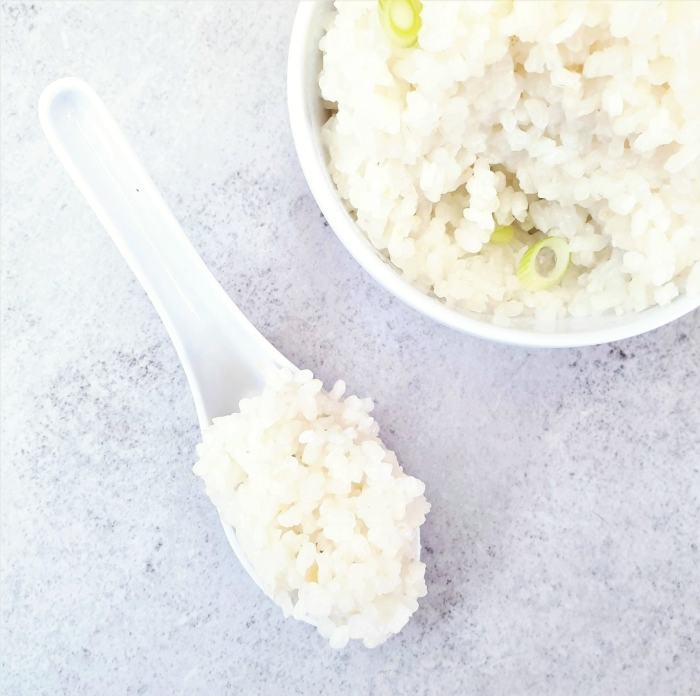
Cooking sticky rice can be a delightful experience filled with rich flavors and textures. However, like any culinary endeavor, it comes with its own set of challenges. Understanding these common issues and how to solve them can make your sticky rice game on point. Let’s dive into some frequent problems you might encounter and how to tackle them effectively.
Common Problems and Solutions
Sometimes, despite your best efforts, things may not go as planned when cooking sticky rice. Here’s a rundown of typical issues and how to fix them.
- Clumping: Clumping occurs when the rice grains stick together too much. To prevent this, ensure you rinse the rice thoroughly before soaking to remove excess starch. When cooking, use a bamboo steamer for better airflow, which allows steam to circulate evenly around the rice.
- Undercooked Rice: If your rice is still hard after the steaming time is up, it might need more soaking time. Always soak your rice for at least 6-8 hours for optimal results. If you’re in a rush, try soaking it in hot water for 1-2 hours instead.
- Overcooked Rice: Overcooked rice can become mushy and lose its desired texture. Stick to the recommended steaming time and keep an eye on it. If you realize it’s becoming too soft, remove it from the heat immediately.
- Excess Water: If the rice ends up too wet, it can ruin the texture. Ensure you’re using the correct water-to-rice ratio, usually about 1:1 for sticky rice. If you notice excess water in your steamer, consider draining it before the rice finishes cooking.
Preventive Measures
Taking preventive measures can save you from many issues. Here are some tips to keep your sticky rice cooking smoothly:
- Proper Soaking: Always soak your rice as recommended to ensure the grains absorb enough water and soften adequately.
- Steamer Preparation: Use a well-prepared steamer basket lined with banana leaves or cheesecloth to allow steam to penetrate while keeping the grains separate.
- Temperature Control: Maintain a consistent steaming temperature. Too high can lead to overcooking, while too low might result in undercooked rice.
FAQs about Sticky Rice Cooking Concerns
If you’re still puzzled about some aspects of sticky rice cooking, here are some frequently asked questions along with their answers:
- Can I make sticky rice without a steamer? Yes, you can improvise by using a pot with a lid and a heatproof plate or bowl to hold the rice above boiling water.
- What type of rice is best for sticky rice? Glutinous rice, often labeled as sweet rice or sticky rice, is essential for achieving the right texture.
- How do I store leftover sticky rice? Allow it to cool, then wrap it tightly in plastic wrap or store it in an airtight container in the fridge. Reheat using steam for best results.
“Happiness is a belly full of sticky rice.”
Nutritional Benefits of Sticky Rice
Sticky rice, also known as glutinous rice, is a staple in many Asian cuisines, especially in countries like Thailand, Laos, and Vietnam. Unlike other varieties of rice, sticky rice has a unique texture and flavor profile that make it not only a delightful addition to various dishes but also a nutritious choice. With a slightly higher amylopectin content compared to regular rice, sticky rice has its own set of nutritional advantages that can enhance your diet.Sticky rice is primarily composed of carbohydrates, which provide a good source of energy.
However, it is also low in fat and sodium, making it a healthier option when consumed in moderation. While the calorie count of sticky rice may be similar to that of other rice varieties, its high carbohydrate content can be beneficial for those needing quick energy, especially for athletes and active individuals.
Nutritional Comparison of Sticky Rice to Other Rice Varieties
When comparing sticky rice to other rice types such as white rice, brown rice, and jasmine rice, it becomes evident that each type has its own unique profile. Below is a table showcasing the calorie and carbohydrate content of different rice types:
| Type of Rice | Calories (per 100g) | Carbohydrates (per 100g) |
|---|---|---|
| Sticky Rice | 97 | 21.1g |
| White Rice | 130 | 28.6g |
| Brown Rice | 111 | 23g |
| Jasmine Rice | 130 | 28.2g |
In many cultures, sticky rice is not just a food item; it holds significant cultural value. For instance, in Thailand, sticky rice is often eaten with grilled meats and made into desserts, showcasing its versatility. The cultural practice of consuming sticky rice is often linked to celebrations and communal gatherings, which reflects its importance in social settings. In terms of health benefits, incorporating sticky rice into your diet can be advantageous for energy sustenance, especially for people engaged in physical activities.
The digestibility of sticky rice is also a plus, making it suitable for individuals with sensitive stomachs.
“Sticky rice’s unique texture makes it a perfect vehicle for protein-rich foods, enhancing the nutritional balance of meals.”
Overall, sticky rice offers a delightful and nutritious alternative to regular rice varieties, making it a worthy addition to a balanced diet.
Creative Recipes Using Sticky Rice

Sticky rice is not just a staple; it’s a canvas for culinary creativity. Its unique texture and ability to hold flavor make it the perfect ingredient for various innovative dishes. From savory to sweet, sticky rice can elevate your meals and impress your guests with its versatility.In this section, we’ll explore some creative recipes that incorporate sticky rice, showcasing how different ingredients can transform its flavor and texture.
You’ll find that sticky rice is not just for Asian cuisine; it can be adapted to various culinary styles, ensuring there’s something for everyone. Let’s dive into these delicious ideas!
Sticky Rice Sushi Rolls
Sushi rolls made with sticky rice offer a delightful twist on traditional sushi. By incorporating various vegetables and proteins, you can create rolls tailored to your taste. Here’s how to make them:
1. Ingredients Needed
2 cups sticky rice
1/2 cucumber, julienned
1 avocado, sliced
4 sheets of nori
Soy sauce for dipping
2. Cooking Instructions
Rinse sticky rice under cold water until the water runs clear.
Soak the rice for at least 4 hours or overnight.
Steam the rice for about 20-25 minutes until tender.
Lay a sheet of nori on a bamboo mat, spread a thin layer of sticky rice over it, leaving a small border.
Arrange cucumber and avocado on top and roll tightly.
Slice into pieces and serve with soy sauce.
Cooking Times:
Soaking
4 hours (or overnight)
Steaming
20-25 minutes
Sweet Coconut Sticky Rice with Mango
This classic dessert combines sticky rice with the sweetness of coconut and ripe mangoes, making for a refreshing treat.
1. Ingredients Needed
1 cup sticky rice
1 can (400ml) coconut milk
1/2 cup sugar
2 ripe mangoes, sliced
Pinch of salt
2. Cooking Instructions
Rinse and soak sticky rice for 4 hours.
Steam the rice for 20-25 minutes until cooked.
In a saucepan, heat coconut milk with sugar and salt until dissolved.
Combine the cooked rice with half of the coconut sauce, mixing well.
Serve the rice topped with mango slices and drizzle the remaining sauce over it.
Cooking Times:
Soaking
4 hours
Steaming
20-25 minutes
Savory Sticky Rice with Vegetables
This dish is a hearty option, packed with flavor and nutrition. It’s perfect for a filling meal any time of the day.
1. Ingredients Needed
2 cups sticky rice
1 cup mixed vegetables (carrots, peas, bell peppers)
1 tablespoon soy sauce
1 teaspoon sesame oil
Green onions for garnish
2. Cooking Instructions
Rinse and soak sticky rice for at least 4 hours.
Steam the rice for about 20-25 minutes.
Sauté mixed vegetables in sesame oil until tender.
Combine the cooked rice with vegetables and add soy sauce, stirring thoroughly.
Serve hot, garnished with chopped green onions.
Cooking Times:
Soaking
4 hours
Steaming
20-25 minutes
Sticky rice can be transformed into both sweet and savory dishes, showcasing its versatility in diverse cuisines.
These recipes demonstrate just how adaptable sticky rice can be. By mixing in different ingredients, you can create dishes that cater to various tastes and occasions, proving that with a little creativity, sticky rice can be the star of your kitchen!
Final Wrap-Up
By now, you’re equipped with the knowledge to cook sticky rice at home with confidence. We’ve covered everything from the soaking process to troubleshooting common issues, ensuring you’ll have a delicious result every time. So go ahead, experiment with pairings and recipes, and don’t forget to enjoy the rich cultural heritage that comes with each bite of sticky rice. Happy cooking!
Query Resolution
What type of rice is best for sticky rice?
Glutinous or sweet rice is the best choice for sticky rice, as it has a higher starch content that gives it that chewy texture.
How long should I soak sticky rice?
Soaking sticky rice for at least 8 hours or overnight is ideal to achieve the best texture.
Can I cook sticky rice without a steamer?
Yes! You can boil it, but steaming is recommended for the best results. If boiling, just be careful not to overcook it.
What dishes can I pair with sticky rice?
Sticky rice pairs wonderfully with grilled meats, curries, and even sweet dishes like mango sticky rice!
How do I store leftover sticky rice?
Store it in an airtight container in the fridge for up to 3 days, or freeze it for longer storage. Just reheat with a bit of water to restore moisture.